How to unclog a kitchen sink drain safely
A clogged kitchen sink in St. Paul is usually grease and food waste. Learn safe ways to clear it without chemicals, and when to call a pro.
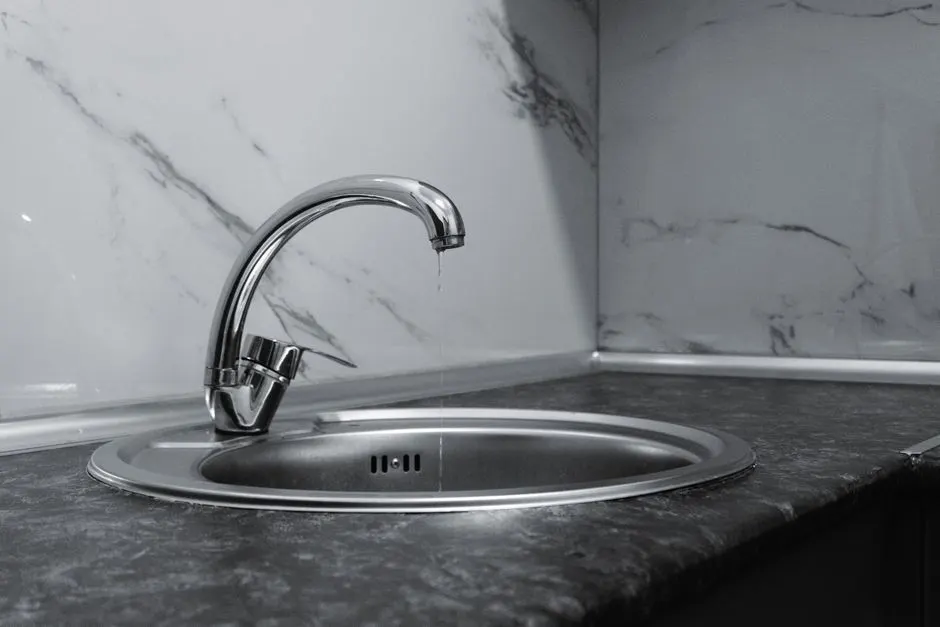
You can unclog a kitchen sink drain safely by first removing standing water, then using a plunger or a drain snake to break up the blockage-never pour chemical drain cleaners down the drain. In St. Paul, most kitchen sink clogs are caused by grease, food particles, and soap scum that build up over time, especially in older homes with cast iron or galvanized pipes. This guide will walk you through safe, effective methods to clear the clog, explain why chemical cleaners are a bad idea, and help you decide when it's time to call a professional.
Why kitchen sink clogs happen in St. Paul
Kitchen sink clogs in St. Paul are almost always the result of grease and food waste that cools and hardens inside the drain pipe. Unlike bathroom clogs, which are usually hair and soap, kitchen clogs are greasy and sticky. They start small-a thin film on the pipe wall-and gradually trap coffee grounds, eggshells, rice, and pasta. Eventually, the pipe narrows to the point where water drains slowly, then stops altogether.
St. Paul's housing stock makes this worse. Many homes in neighborhoods like Summit Hill Plumber and Macalester-Groveland Plumber were built before 1950 and still have original cast iron drain lines. Cast iron rusts and pits on the inside, creating a rough surface that grabs grease and debris. Even a small amount of grease can cling to those pits and start a clog. Newer homes with PVC pipes are smoother, but they still clog if you pour grease down the drain.
Another factor: St. Paul's water is moderately hard. Minerals in the water combine with soap to form soap scum, which adds to the grease layer. If you have a water softener installation St. Paul MN, you'll reduce soap scum, but you still need to keep grease out of the drain.
Safe ways to unclog a kitchen drain in St. Paul Minnesota
Safe drain cleaning in St. Paul Minnesota starts with mechanical methods-tools that physically break up or pull out the clog. These are safe for your pipes and for you.
1. Boiling water and dish soap
If the drain is draining slowly but not fully blocked, try this first. Bring a full kettle of water to a boil. Pour a generous squirt of dish soap down the drain, followed by the boiling water. The soap lubricates the pipe, and the heat helps melt grease. Let it sit for 10-15 minutes, then flush with hot tap water. This works best for minor grease clogs. Do not use this method if you have PVC pipes and the clog is severe-boiling water can soften PVC joints over time, though a single pour is usually fine.
2. Plunger
A plunger is your best friend for a fully blocked sink. First, remove the strainer or basket. If there's standing water, bail some out so the plunger can seal properly. Place the plunger over the drain and ensure it covers the opening completely. You may need to block the second sink basin (if you have a double sink) with a wet rag or stopper to direct pressure down the clogged line. Pump the plunger vigorously 15-20 times, then release. Repeat several times. The pressure difference often breaks the clog free.
3. Drain snake (hand auger)
For clogs that are further down the pipe, a hand-crank drain snake is effective. You can buy one at any St. Paul hardware store for $20-$40. Insert the snake into the drain until you feel resistance, then crank the handle clockwise to feed it into the clog. Once it catches, pull it back-you'll likely bring up a glob of grease and food. Run hot water to flush the line.
4. Baking soda and vinegar
This is a gentle, non-toxic option for maintenance or very minor clogs. Pour 1/2 cup baking soda down the drain, followed by 1/2 cup white vinegar. Let it fizz for 10-15 minutes, then flush with hot water. It won't clear a major blockage, but it can help keep the drain fresh and slow down buildup.
If you've tried these methods and the water still won't drain, the clog may be in the P-trap or further down the line. At that point, it's time to consider professional drain cleaning St. Paul MN.
What not to do: common mistakes
The biggest mistake homeowners make is reaching for chemical drain cleaners. Products like Drano and Liquid-Plumr contain sodium hydroxide or sulfuric acid. They generate heat and can damage pipes-especially older cast iron, which can crack, and PVC, which can soften and deform. They're also dangerous if they splash back or if you later try to plunge the drain and get chemicals on your skin. In St. Paul, we've seen chemical cleaners turn a simple clog into a pipe repair St. Paul MN job more than once.
Other mistakes:
- Using a plunger without sealing the second basin. If you have a double sink, the pressure escapes through the other drain instead of hitting the clog.
- Pouring grease down the drain "with hot water." Hot water only moves the grease further down the pipe, where it cools and hardens. It always catches up with you.
- Ignoring a slow drain. A slow drain is a warning. Clear it before it becomes a full blockage.
- Using a metal snake on a garbage disposal. You can damage the disposal blades or the motor. Disconnect power first, and never put your hand in the disposal.
When to call a professional
Call a professional when you've tried plunging and snaking and the water still won't drain, or when you have multiple slow drains in the house. Multiple clogs often mean the blockage is in the main sewer line, not just the kitchen branch. That's a bigger problem-and one that can lead to sewage backups. We handle these with professional-grade drain augers and hydro-jetting equipment that clears the entire line, not just the first few feet.
Also call us if you notice a foul smell coming from the drain, if water backs up into other fixtures when you run the kitchen sink, or if you have a garbage disposal that hums but doesn't spin. Those are signs of a deeper issue. Our team at Plumber in St Paul MN can diagnose and fix the problem quickly, often the same day.
How we clear kitchen sink clogs in St. Paul
When you call us for kitchen sink clog removal St. Paul, we start by inspecting the drain and asking about your plumbing. We'll check the P-trap first-it's the curved pipe under the sink that catches debris. If the clog is there, we can often clear it in minutes. If it's further down, we use a motorized drain snake or a hydro-jetter. Hydro-jetting uses high-pressure water (up to 4,000 PSI) to scour the pipe walls clean, removing grease, scale, and debris. It's safe for most pipes when done by a trained technician.
For homes in older neighborhoods like Frogtown Plumber, we're careful with cast iron pipes-they can be fragile. We'll assess the pipe condition before choosing a method. If the pipe is too damaged, we may recommend sewer line repair St. Paul MN or replacement.
We also offer kitchen sink repair St. Paul MN if the clog is caused by a faulty drain assembly or a worn-out disposal. Sometimes the sink itself needs attention, not just the drain.
Preventing future clogs
Prevention is straightforward: keep grease, coffee grounds, eggshells, rice, pasta, and fibrous vegetables out of the drain. Pour grease into a can, let it cool, and throw it in the trash. Use a sink strainer to catch food particles. Run cold water while using the disposal-cold water solidifies grease so it can be ground up and flushed away, rather than melting and coating the pipes. Once a month, flush the drain with hot water and a little dish soap to keep it clear.
If you have hard water, a water softener can reduce scale buildup. And if you're in an older home, consider having your drains inspected. A camera inspection can reveal root intrusion, collapsed pipes, or heavy scale-problems that no amount of plunging will fix.
Frequently Asked Questions
How do I unclog my kitchen sink in St. Paul MN?
Start by removing standing water, then use a plunger with the second basin sealed. If that fails, use a hand-crank drain snake. Avoid chemical cleaners. If the clog persists, call a professional drain cleaning service.
Is it safe to use Drano in St. Paul Minnesota?
No. Drano and similar chemical cleaners can damage older pipes common in St. Paul homes, especially cast iron and PVC. They also pose a safety risk. Mechanical methods are safer and more effective.
What causes kitchen sink clogs in St. Paul MN?
Grease, food particles, and soap scum are the main culprits. St. Paul's older cast iron pipes have rough interiors that trap debris, and hard water adds scale, making clogs more likely.
Should I call a plumber for a clogged kitchen sink in St. Paul?
Yes, if plunging and snaking don't work, if you have multiple slow drains, or if you smell sewage. A plumber has the tools to clear the line safely and check for bigger issues.
Who unclogs kitchen sinks near me in St. Paul MN?
Plumber in St Paul MN unclogs kitchen sinks across the city. We offer same-day service and use professional equipment to clear even stubborn clogs. Call us at +1 651-372-0726.
Get help with Plumber in St. Paul
If your kitchen sink is still clogged after trying safe DIY methods, don't let it ruin your day. Our team at Plumber in St Paul MN is ready to clear your drain fast and safely. Call us at +1 651-372-0726 to schedule service.