Why Is My Water Bill Suddenly So High?
A water bill suddenly high in St. Paul MN almost always traces back to a running toilet, a hidden leak, or a meter error. Here is how to find it fast.
A water bill that suddenly doubles in St. Paul almost always means water is escaping somewhere between the meter and your fixtures - most often a running toilet, a hidden supply-line leak, or a failed outdoor spigot. The bill itself is not the problem; it is the receipt for a leak you have not found yet. Below we walk through how to confirm the leak in about ten minutes, the five causes we see most in St. Paul homes, what detection and repair cost in 2026, and when it is time to hand it off to a plumber.
Water bill suddenly high St. Paul MN is a plumbing symptom, not a utility billing error. Saint Paul Regional Water Services bills in hundred-cubic-foot units, and one unit equals 748 gallons. If your usage jumped by 10 units in a month, that is 7,480 gallons you paid for and never used.
The Short Answer: Where the Water Is Going
Roughly 70 percent of the high-bill calls we run in St. Paul trace back to a toilet that never stops running. A flapper that fails to seal lets water trickle from the tank into the bowl 24 hours a day, and that trickle is silent. At a typical 0.5 gallons per minute, a bad flapper wastes 21,600 gallons in a month - about 29 billing units.
The second-largest group is hidden leaks in the supply system: a pinhole in a copper line, a failed shutoff valve under a sink, or a slab leak under a basement floor. These do not always show up as a wet spot. Sometimes the only evidence is the meter spinning when nothing in the house is on.
Third is outdoor water. A hose bib that froze and split last winter will pour water into the soil every time you turn it on, and you will never see it. We see this constantly in the older housing stock across Summit Hill Plumber territory, where century-old galvanized lines and uninsulated exterior spigots are still in service.
How to Read Your St. Paul Water Meter and Confirm a Leak
Saint Paul Regional Water Services meters have a small triangular or diamond-shaped low-flow indicator on the face. That dial spins when even a trickle of water moves through the meter. This is the single most useful diagnostic tool you own.
- Shut off every fixture in the house - faucets, toilets, ice maker, humidifier, hose bibs.
- Watch the low-flow indicator for two full minutes. If it moves at all, water is moving.
- Shut the main valve where the line enters the house and watch again. If the dial stops, the leak is inside. If it keeps spinning, the leak is between the meter and the house.
Write down the meter reading, wait exactly one hour with the house empty, and read it again. One unit in an hour is 748 gallons - a serious leak. A tenth of a unit is 75 gallons, which is still a running toilet.
The Most Common Causes of a Water Usage Spike in St. Paul
High water bill causes St. Paul homeowners call us about fall into five buckets, and four of them are cheap to fix once you know which one you have.
1. A running toilet
Lift the tank lid and look at the water level. If it is running over the top of the overflow tube, the fill valve is misadjusted. If the water is quiet but the flapper looks warped or has mineral crust on the seal, it is leaking past. A dye test settles it: drop food coloring in the tank, wait 15 minutes without flushing, and check the bowl. Color in the bowl means a bad flapper.
2. A dripping or failed faucet
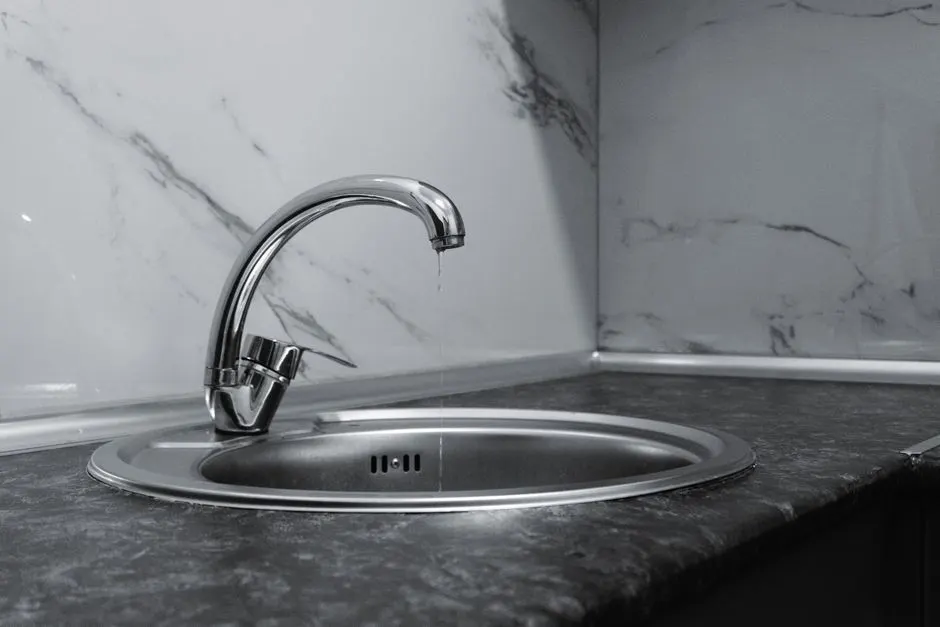
A single faucet dripping once per second wastes about 3,000 gallons a year. That is not a spike, but three or four of them plus a running toilet absolutely is. Worn cartridges and corroded valve seats are the usual culprits, and faucet repair St. Paul MN is one of the least expensive fixes on this list.
3. A hidden supply-line leak
Copper lines in St. Paul homes built before 1960 develop pinhole leaks, especially where the pipe runs through a cold exterior wall. You may never see water - it wicks into drywall, baseboard, or a floor joist. Warm spots on the floor, a musty smell in the basement, or a water stain on the ceiling below a bathroom are the tells.
4. A failed water heater pressure relief valve or supply line
The braided supply line to a water heater has a rubber interior that cracks with age. A slow weep there can send water down the side of the tank and into the floor drain, where you will never notice it. We see this most in units installed more than eight years ago.
5. An irrigation or hose bib leak
If you have an in-ground sprinkler system, a stuck zone valve will run water all night. A split hose bib does the same. Both are invisible unless you are standing in the yard at 6 a.m.
How to Find a Water Leak in St. Paul Minnesota
How to find a water leak in St. Paul Minnesota comes down to narrowing the search zone before you open any wall. Start with the meter test above. That tells you inside versus outside. Then work fixture by fixture.
- Toilets: dye test each one. This takes five minutes and catches the majority of high-bill cases.
- Under every sink: dry the cabinet floor with a paper towel, then check it again in an hour. Any new moisture points to a supply or drain leak.
- Water heater: look for rust streaks on the tank, moisture at the fittings, and water in the drain pan.
- Basement and crawlspace: look for damp spots on the floor slab, efflorescence on the walls, and a musty smell that was not there last year.
- Exterior: with the system pressurized, walk the yard and look for a soft, greener, or spongy patch in the grass.
If the meter still spins with the main valve open and every fixture off, you have a hidden water leak St. Paul Minnesota homeowners cannot find by eye. That is where acoustic listening equipment, thermal imaging, and pressure isolation come in. Our team uses all three, and we can usually pinpoint a leak within a few feet before we cut anything open.
What Water Leak Detection Costs in St. Paul in 2026
Typical 2026 pricing in the Twin Cities runs $150 to $400 for a professional leak inspection, depending on how deep the search goes. A single-fixture diagnosis - one toilet, one faucet - sits at the low end. A slab leak or a leak behind a finished wall sits at the high end because it takes longer to isolate.
Repair pricing after that depends on what we find:
- Toilet flapper or fill valve replacement: $95 to $180 in parts and labor.
- Faucet cartridge or valve seat repair: $120 to $250.
- Hose bib replacement: $150 to $300.
- Copper pinhole repair on an accessible line: $250 to $600.
- Slab leak repair with access: $800 to $2,500.
Compare that to the bill itself. A leak wasting 20 units a month at current St. Paul rates adds roughly $80 to $120 to your monthly statement. Over a year, that is $1,000 or more - usually more than the repair. The math almost always favors fixing it.
If the leak turns out to be in the main line under the yard, we handle that with sewer line repair St. Paul MN equipment and trenchless methods that avoid tearing up the whole lawn.
Common Mistakes Homeowners Make With a High Water Bill
The first mistake is calling the water utility before checking the toilet. Saint Paul Regional Water Services will send a technician, but if the leak is inside your house, that visit does not fix anything and you still pay the bill.
The second is assuming a high bill means a slab leak. It usually does not. We have walked into dozens of homes where the homeowner was braced for a $2,000 slab repair and the actual problem was a $12 flapper.
The third is shutting off the main and leaving it off. That stops the water loss, but it also shuts down your heat, your ice maker, and every faucet in the house. If you have to isolate the leak, shut the branch valve, not the main.
The fourth is ignoring the second bill. If two consecutive statements are high and you have not found the source, the leak is not going to heal. Call us before the third one arrives.
When to Call a Professional
Call a plumber when the meter spins with every fixture off, when you see water where water should not be, or when you have replaced a flapper and the bill is still climbing. Those three situations mean the leak is beyond what a homeowner can safely reach.
We handle water leak detection St. Paul MN with acoustic and thermal equipment, and we repair what we find the same visit whenever the parts are on the truck. We also handle the follow-up work - if a leak has damaged a fixture or a supply line, we can take care of the pipe repair St. Paul MN at the same time.
If you are in one of the older neighborhoods where galvanized lines are common, we can also talk through whether a partial repair or whole house repiping St. Paul MN makes more sense long-term. Either way, we quote the work before we start.
For anything that is actively flooding, our emergency Plumbing St. Paul MN line is the right call - we run 24-hour service for burst lines and failed valves.
Frequently Asked Questions
Why is my water bill suddenly so high in St. Paul MN?
In St. Paul, 70 percent of sudden spikes come from a running toilet, followed by hidden supply-line leaks and failed hose bibs. Run the meter test: shut off every fixture and watch the low-flow indicator for two minutes. If it moves, you have a leak. One unit on the meter equals 748 gallons.
How do I check for a water leak in St. Paul Minnesota?
Start at the meter. Shut off all fixtures, watch the low-flow dial for two minutes, then shut the main valve and watch again. If the dial stops with the main closed, the leak is inside the house. Then dye-test each toilet and check under every sink for moisture.
Can a running toilet cause a high water bill in St. Paul MN?
Yes, and it is the number one cause we find. A flapper leaking at half a gallon per minute wastes about 21,600 gallons a month - roughly 29 billing units. A $12 flapper and 20 minutes of work usually fixes it. If the fill valve is also worn, replace both.
Who can find a hidden water leak near me in St. Paul?
A licensed plumbing contractor with acoustic listening and thermal imaging equipment. We pinpoint leaks within a few feet before opening any wall or floor, which keeps the repair small. Expect the inspection to take 45 to 90 minutes depending on how many zones we isolate.
How much does water leak detection cost in St. Paul?
In 2026, expect $150 to $400 for a professional leak inspection in the Twin Cities. Single-fixture diagnosis sits at the low end; slab leaks and leaks behind finished walls sit at the high end. Repair pricing is quoted separately once we know what we are fixing.
Get Help With Plumber in St. Paul
If your meter is spinning and you cannot find why, we will find it. We serve every St. Paul neighborhood, we quote the work before we start, and we fix what we find the same visit whenever the parts are on the truck.
Call +1 (651) 372-0726 and we will get a technician out to run the meter test, isolate the leak, and give you a straight answer on what it takes to stop the water loss.