Why does my faucet drip and how to stop it
A dripping faucet wastes water and money. Learn the real causes, how to fix it yourself, and when to call a St. Paul plumber.
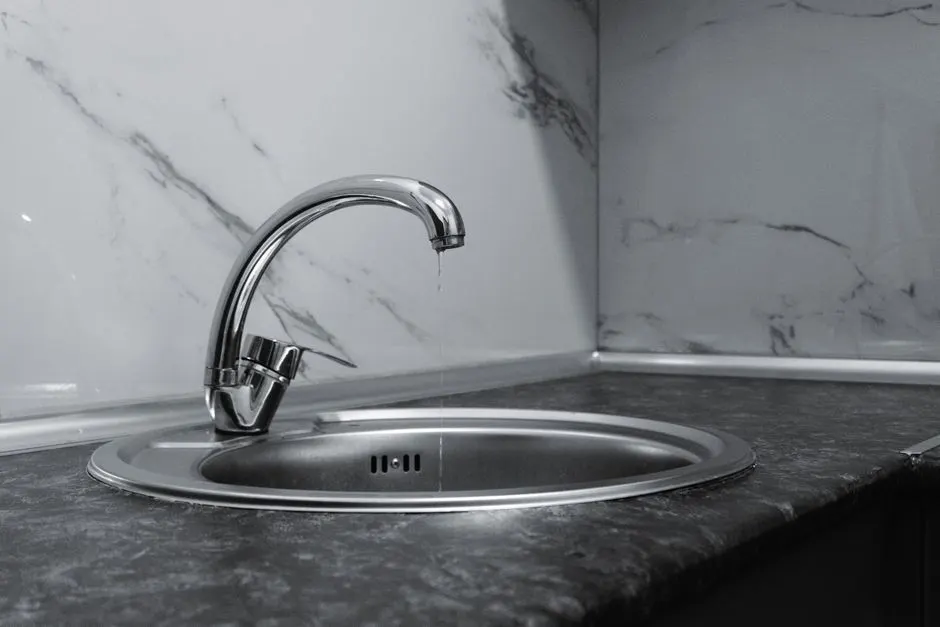
A dripping faucet is almost always caused by a worn-out rubber washer, a failing cartridge, or a corroded valve seat. The drip starts because the rubber or ceramic seal inside the faucet can no longer press tightly against the water inlet. In St. Paul, where our water carries minerals from the Mississippi River, those parts wear out faster than in many other cities. This post explains exactly why your faucet drips, how to stop it yourself, and when it makes more sense to call a plumber.
Faucet dripping St. Paul MN is a plumbing repair that most homeowners can handle with basic tools. But if you have a newer cartridge faucet or a hidden leak, a professional faucet repair St. Paul MN call is often faster and cheaper than guessing. We will walk through the diagnosis, the tools, the step-by-step fix, and the costs you should expect in 2026.
Why does my faucet drip in St. Paul MN?
Your faucet drips because the internal seal that stops water flow has worn down or become coated with mineral deposits. In St. Paul, the water hardness averages around 8 to 10 grains per gallon, which leaves calcium and magnesium behind every time water evaporates. That scale builds up on rubber washers, ceramic cartridges, and valve seats, slowly cutting grooves that let water slip past.
There are four common culprits:
- Worn rubber washer - compression faucets rely on a rubber washer that flattens over time.
- Damaged cartridge - single-handle and many two-handle faucets use a plastic or ceramic cartridge that cracks or wears.
- Corroded valve seat - the seat is the surface the washer presses against; grit and scale chew it up.
- Loose or failing O-ring - the O-ring seals the spout base; if it dries out, water drips from the base, not the spout.
We see this constantly in older St. Paul homes, especially across Summit Hill Plumber where 1920s plumbing still runs through many kitchens and baths. The original brass faucets are rebuildable, but the rubber parts inside have often been replaced three or four times. Each replacement leaves a little more wear on the valve seat.
If your faucet is a newer model with a ceramic cartridge, the drip usually starts after two to three years of daily use. The cartridge itself is a sealed unit; you replace it rather than repair it. That is why Highland Park Plumber calls often involve a quick cartridge swap rather than a full faucet replacement.
How water hardness in St. Paul accelerates wear
St. Paul draws its water from the Mississippi River and treats it, but it still contains dissolved minerals. When water sits in the faucet and evaporates, those minerals stay behind. Over months, they form a rough crust on the valve seat. Every time you turn the handle, that crust acts like sandpaper against the rubber washer. A washer that might last five years in a soft-water city can fail in two or three years here.
You can slow this down by wiping the faucet dry after each use and running a descaling solution through the aerator once a season. But eventually, the internal parts still wear out. That is normal.
How to stop a dripping faucet in St. Paul Minnesota
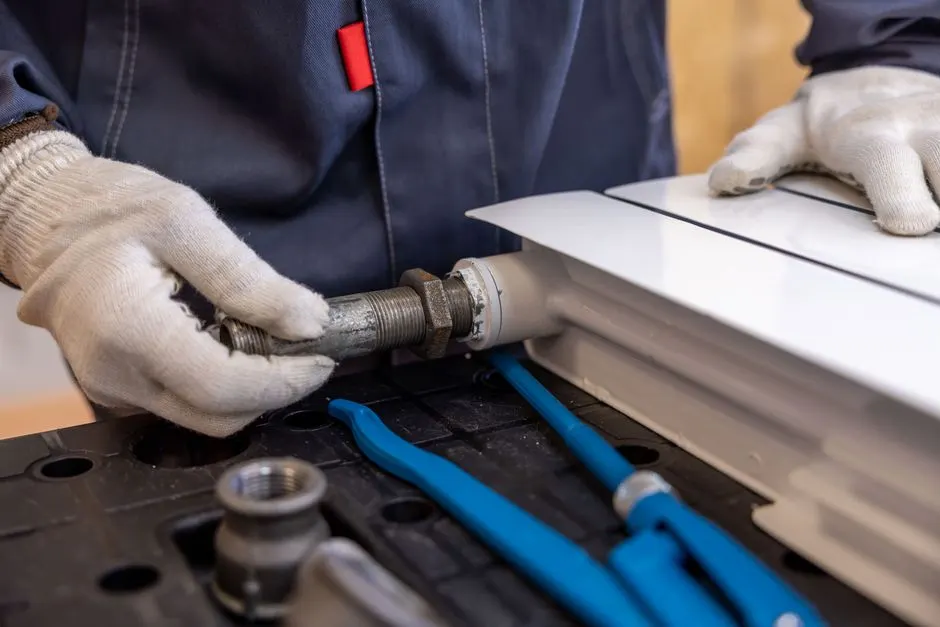
Stopping a dripping faucet starts with identifying the faucet type, then replacing the worn part. The job takes 30 to 60 minutes for a compression faucet and about 20 minutes for a cartridge faucet. You will need an adjustable wrench, a screwdriver, a replacement washer or cartridge, and plumber's grease.
Before you touch anything, shut off the water supply. Look under the sink for the shutoff valves and turn them clockwise until they stop. If they are stuck or missing, shut off the main water valve for the house. Open the faucet to release pressure and confirm the water is off.
Here is the step-by-step for the most common faucet types.
Compression faucet (two handles, usually older)
- Pry off the decorative cap on the handle and remove the screw underneath.
- Pull the handle straight up. If it sticks, use a faucet handle puller.
- Unscrew the packing nut with an adjustable wrench, then pull out the stem assembly.
- Inspect the rubber washer at the bottom of the stem. If it is flat, cracked, or grooved, replace it.
- Check the valve seat inside the faucet body. If it feels rough, replace it with a seat wrench.
- Reassemble in reverse order, turning the packing nut snug but not over-tight.
For a compression faucet, a sink repair St. Paul MN call is often unnecessary if you are comfortable with basic tools. The parts cost under $10.
Cartridge faucet (single handle or newer two-handle)
- Remove the handle screw and pull the handle off.
- Unscrew the retaining nut or clip that holds the cartridge.
- Pull the cartridge straight out. Note its orientation.
- Take the old cartridge to a hardware store or plumbing supply to match it exactly.
- Install the new cartridge, lubricate the O-rings with plumber's grease, and reassemble.
Cartridge replacement is the most common faucet repair we do in St. Paul. The cartridge itself costs $15 to $40 depending on the brand. If you cannot find a matching cartridge, a full faucet replacement may be the better route.
Ball faucet (single handle, usually kitchen)
Ball faucets have more internal parts: springs, seats, cam, and O-rings. You can buy a repair kit for $10 to $20. The job is fiddly but doable. If you have never taken one apart, take a photo at each step.
Common mistakes to avoid
The biggest mistake is over-tightening the packing nut or retaining nut. That crushes the new washer or O-ring and causes a leak within days. Tighten until snug, then a quarter turn more. No more.
Another common error is ignoring the valve seat. If you replace the washer but not the seat, the new washer will wear out in weeks. Always inspect the seat and replace it if it is rough.
Using the wrong replacement part is a close third. A washer that is too thick or too thin will not seal. Cartridges are model-specific; a generic cartridge rarely works. Bring the old part with you to match it.
Finally, do not force a stuck handle or nut. If it will not budge, apply penetrating oil and wait 15 minutes. Forcing it can snap the stem or crack the faucet body, turning a $20 repair into a $200 replacement.
When to call a professional
Call a professional when the faucet drips from the base, when the shutoff valves under the sink are frozen or leaking, or when you have a cartridge faucet and cannot find the right replacement. Those three situations are where DIY repairs go wrong most often.
We handle faucet troubleshooting St. Paul every day. Our technicians carry common cartridges and washers on the truck, so most repairs are done in one visit. We also check the shutoff valves while we are there; if they are failing, we can replace them before they cause a bigger leak.
If your faucet is more than 15 years old and has been repaired twice, a new faucet is usually the smarter move. Modern faucets use ceramic cartridges that last longer and are easier to repair. We can install a new faucet and dispose of the old one in the same visit.
For older homes in Macalester-Groveland Plumber, we often find that the faucet drip is a symptom of higher water pressure. We test the pressure and, if it is above 80 psi, recommend a pressure-reducing valve. High pressure wears out faucets, supply lines, and water heaters faster.
Frequently Asked Questions
Why does my faucet drip in St. Paul MN?
Your faucet drips because the internal washer, cartridge, or valve seat has worn out or is coated with mineral scale. St. Paul water averages 8-10 grains per gallon hardness, which accelerates wear. The drip will not stop on its own; the worn part must be replaced.
How do I stop my faucet from dripping in St. Paul Minnesota?
Shut off the water, disassemble the faucet handle, and replace the worn washer or cartridge. For a compression faucet, also inspect and replace the valve seat. The repair takes 20-60 minutes and costs $5-$40 in parts. If the drip comes from the base, call a plumber.
Can a dripping faucet increase my water bill in St. Paul MN?
Yes. A single faucet dripping once per second wastes about 3,000 gallons per year. At St. Paul's 2026 water rates, that adds roughly $30-$50 to your annual bill. Multiple drips or a running toilet can push the waste much higher.
How much does faucet repair cost in St. Paul?
DIY parts cost $5-$40. A professional faucet repair in St. Paul typically runs $120-$250 in 2026, including the service call and parts. Cartridge replacement is usually on the lower end; a full faucet replacement with new supply lines runs $250-$450.
Who fixes dripping faucets near me in St. Paul MN?
Plumber in St Paul MN fixes dripping faucets across all St. Paul neighborhoods, including Summit Hill, Highland Park, and Downtown. We carry common cartridges and washers on every truck, so most repairs are completed in one visit. Call us to schedule.
Get help with Plumber in St. Paul
If your faucet is still dripping after a DIY attempt, or if you would rather not spend your weekend under the sink, we can help. Our licensed plumbers serve every St. Paul neighborhood and carry the parts needed to fix most faucets on the first visit.
Call +1 (651) 372-0726 to schedule your faucet repair. We offer upfront pricing and same-day appointments across St. Paul.